AICOAST / Industries / Construction / Project management
Project reporting that the project manager still signs
We turn site logs, meeting notes and inspection records into weekly-report drafts, minutes and action lists, with exceptions and overdue items highlighted. Your project manager confirms and issues; we do not take on site management, safety judgement or statutory responsibilities.

Where project reporting support helps — and where it stops
Good fit
- General contractors and project companies running weekly or monthly reporting cycles
- Project teams whose information sits in daily logs, meeting notes, photos and correspondence
- Quality and safety teams that need inspection records structured and rectification tracked
- Project managers who want drafts prepared quickly but retain control of what is issued
- Organisations that require project data to stay inside their own environment
Not a fit
- Requests to replace a project management system or document-control platform
- Safety hazard judgement, statutory safety inspection or any decision that belongs to the safety officer
- Covert recording of meetings or processing of classified project material
- Teams expecting progress, cost or schedule guarantees from AI summaries
- Projects without a project manager available to confirm and issue the output
Three reporting scenarios we can scope
| Input | AI assist | Human review | Output |
|---|---|---|---|
| Progress plans, construction logs, meeting minutes, site images and client or supervisor correspondence | Summarise progress, resource use, open issues and risks; draft the weekly or monthly report and flag lagging or missing items | Your project manager rewrites and confirms every report before it is issued | Report draft, exception list and confirmed report record |
| Inspection forms, site photos, rectification notices and risk registers | Structure the records, classify issues, track overdue rectification and produce statistical summaries | Your safety or quality officer confirms the records and the hazard judgement | Inspection ledger, rectification tracking list and statistical brief |
| Meeting notes or recordings you have approval to process, and related documents | Draft minutes and extract action items with owners and deadlines, linked to the relevant source | The meeting chair or project manager confirms the minutes and action assignments | Minutes draft and tracked action list |
What you receive
- Report draftsWeekly or monthly report drafts built on your template, with source references for each progress statement.
- Exception listLagging activities, missing records and open risks highlighted for the project manager to confirm.
- Minutes draftsMeeting minutes drafts with decisions and action items extracted for confirmation.
- Action listActions with owner, deadline and status, ready to be tracked in your existing process.
- Inspection ledgerStructured inspection records with classification, rectification status and overdue flags.
- Templates and SOPReport, minutes and ledger templates plus a written procedure so the team can repeat the process.
- Data return or deletion recordWritten confirmation of files returned or deleted at the end of the engagement.
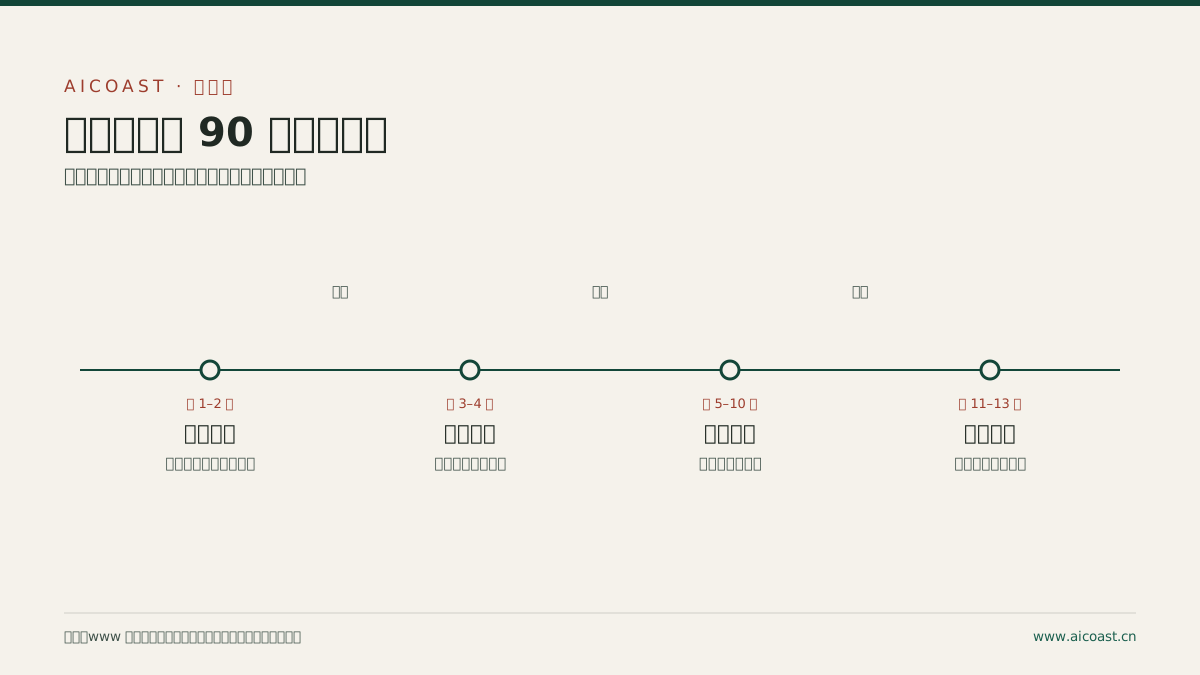
How the pilot runs
- 01
Diagnostic 1 week
Review existing report templates, data sources and approval flow, and agree one project for the pilot.
- 02
Template and access setup 2–3 days
Agree templates, action-list structure, processing environment and confidentiality terms.
- 03
One reporting cycle 1–3 weeks
Run a full weekly or monthly cycle with your project manager confirming each draft.
- 04
Acceptance and hand-over 2–4 days
Complete the acceptance sheet, hand over templates and SOP, and agree whether to expand.
How acceptance is measured
- The agreed template fields are complete in every delivered draft
- The project manager confirms each report before issue, and the confirmation is recorded
- Every action item has an owner and a deadline, and can be tracked in your existing process
- Inspection records are complete and rectification status can be counted
- The acceptance sheet is completed item by item before the pilot closes
- Data return or deletion is confirmed in writing
What we do not do
- We do not replace your project management, document-control or inspection systems
- We do not make safety hazard judgements or substitute for the safety officer's statutory duties
- We do not guarantee progress, cost, schedule or quality outcomes
- We do not record meetings without the chair's approval, and we do not process classified or restricted meetings
- We do not issue reports, minutes or notices without confirmation by the responsible manager
- We do not use client project data to train models or share it across clients
- We do not claim official interfaces with project management or document platforms
Pricing approach
Priced by scope: number of projects and reporting cycles, document and photo volume, template complexity and deployment shape. A written project confirmation fixes scope and price; no prices are published on this page. Training programs are quoted separately on our Chinese training site.
Evidence for this scenario
Weekly report draft with exception list
A method sample built from public sample material and synthetic site notes: template fields, exception format and confirmation marks. No client data and no project result.
Inspection ledger and rectification tracker
A sample ledger showing record structure, classification and overdue flags. Not a real project and not a safety judgement.
Contractor reporting case
No client case is authorized at launch. A pilot record could be published after written client approval.
Frequently asked questions
Is this a project management system?
No. It is an assistive layer that drafts reports, minutes and records from information you already produce. Your project management and document-control systems stay in place.
Can it record and summarize our meetings?
Only where the chair approves and the material is not classified or restricted. Minutes drafts still require confirmation by the chair or project manager before they are issued.
Can it use our own report templates?
Yes — that is the preferred setup. Your existing templates and field definitions become the output structure, so reports stay consistent with your process.
Does it replace our safety officer or quality officer?
No. It structures inspection records and tracks rectification, but hazard judgement, statutory safety inspection and any formal conclusion remain with your qualified staff.
Who confirms what is issued?
The responsible manager names each output: reports by the project manager, minutes by the chair and inspection records by the safety or quality officer. The confirmation is recorded.
Where is project data processed?
In your intranet or a dedicated environment by default. We do not use client data to train models, and files are returned or deleted at project end with a written record.
How quickly can a pilot start?
A diagnostic takes about a week, and one full reporting cycle usually runs 1–3 weeks. The scope and calendar are fixed in the project confirmation.